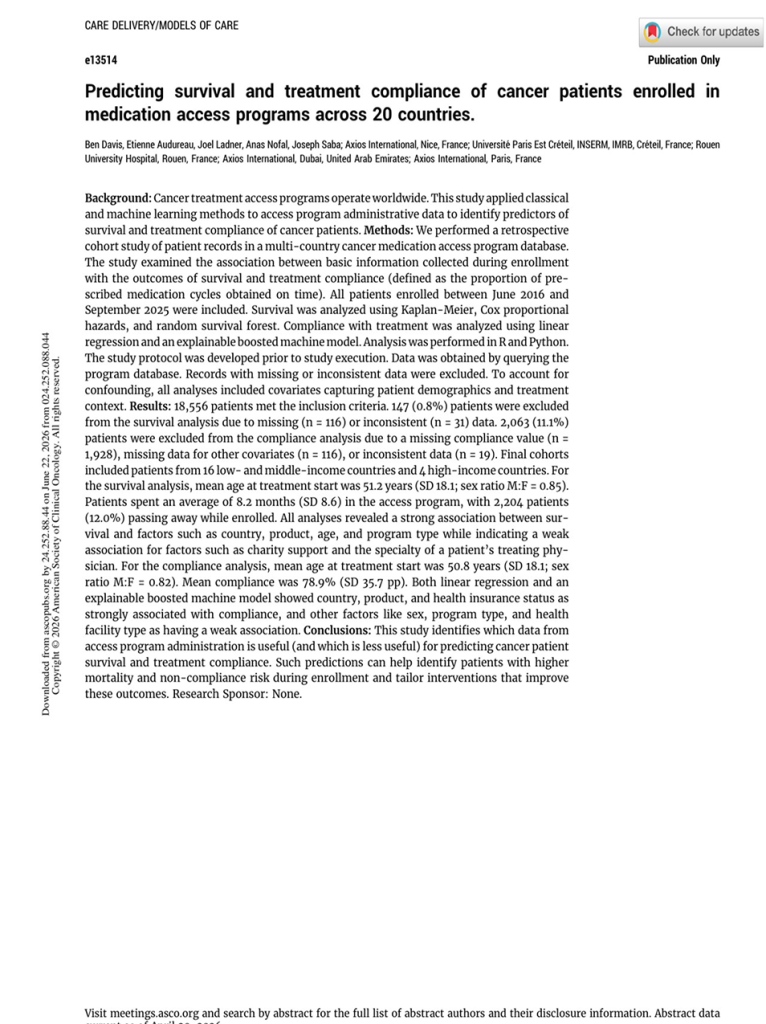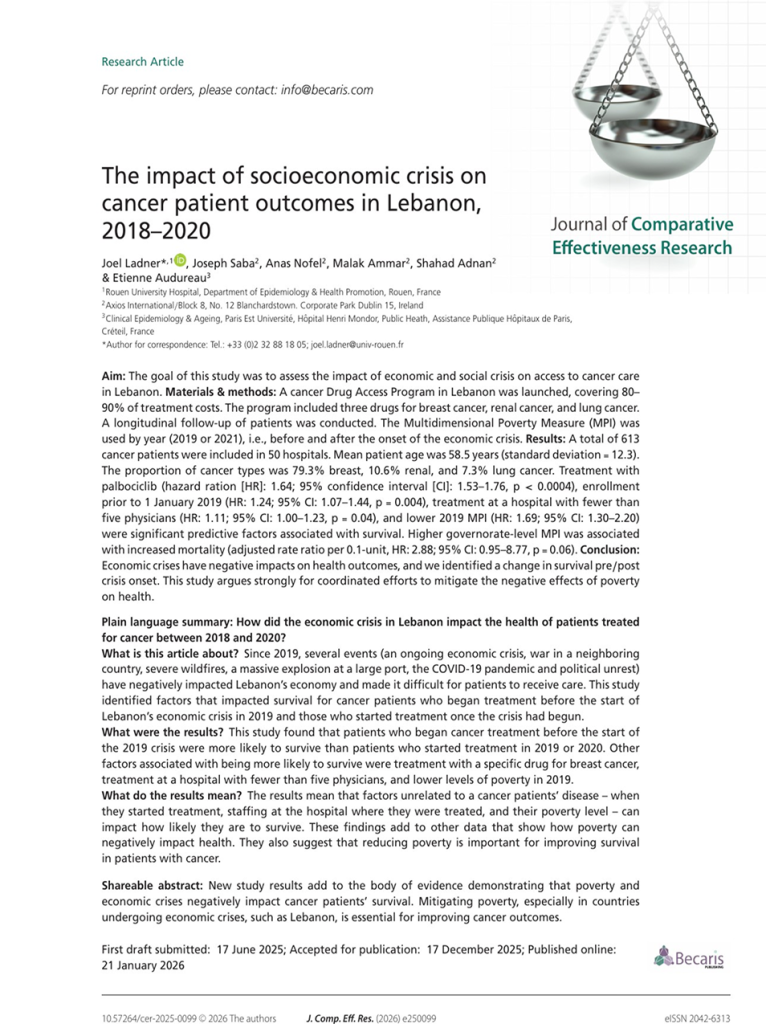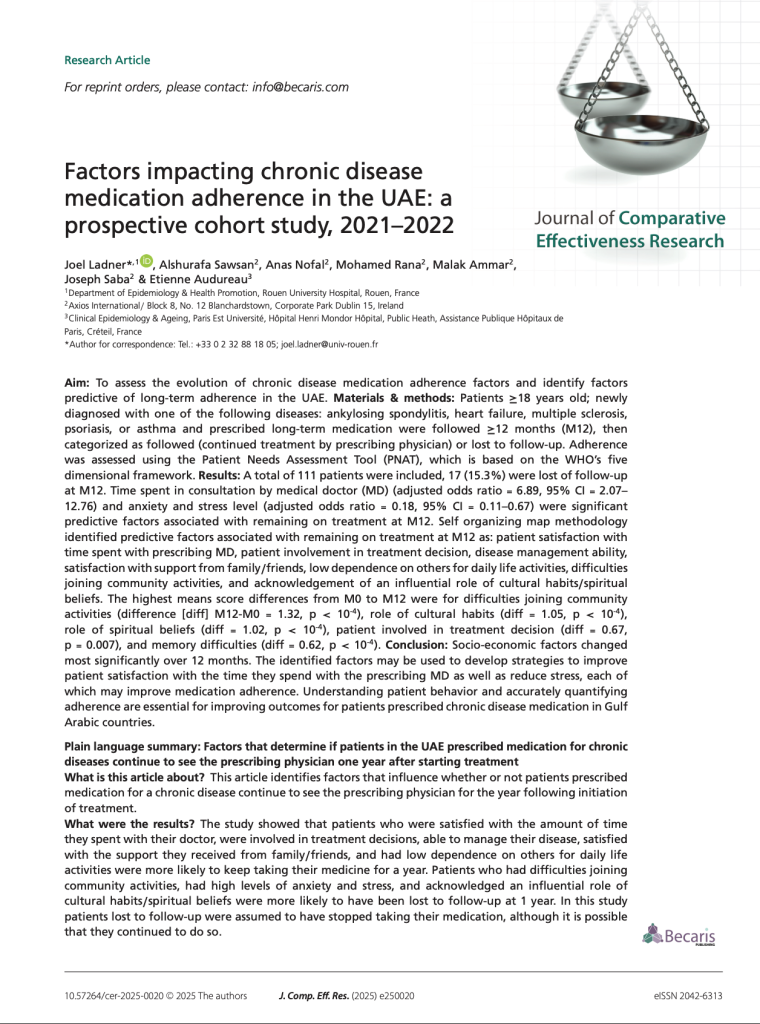

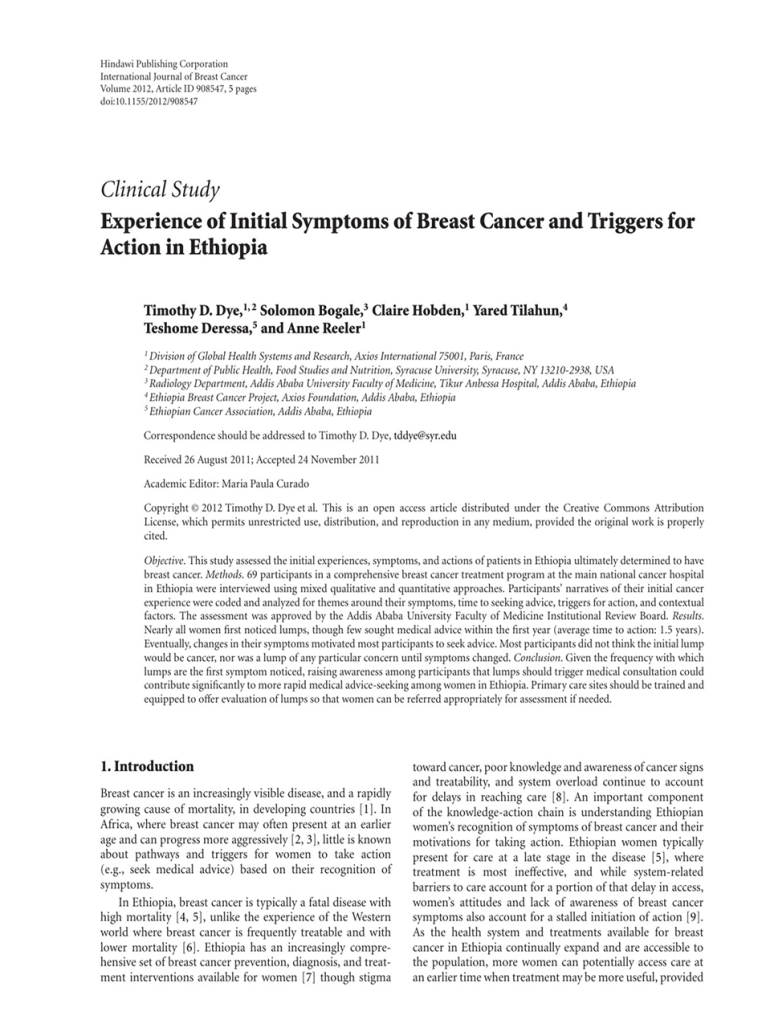
This study interviewed 69 breast cancer patients in Ethiopia’s national cancer treatment program to understand how women first noticed symptoms and what finally motivated them to seek medical care. Researchers found that nearly all participants first noticed a lump, but most did not seek help right away — on average, women waited a year and a half before taking action, often because the lump was initially painless and not seen as a cause for concern.
Publication
Ethiopia Breast Cancer: Initial Symptoms and Triggers for Seeking Care
Dye TD, Bogale S, Hobden C, Tilahun Y, Deressa T, & Reeler A.
International Journal of Breast Cancer
Published
Key Takeaways
This study interviewed 69 breast cancer patients in Ethiopia’s national cancer treatment program to understand how women first noticed symptoms and what finally motivated them to seek medical care. Researchers found that nearly all participants first noticed a lump, but most did not seek help right away — on average, women waited a year and a half before taking action, often because the lump was initially painless and not seen as a cause for concern.
- A lump was the first symptom noticed by over 80% of participants, but most dismissed it at first because it wasn’t painful or didn’t seem alarming
- Roughly 70% of women ignored their symptoms for an extended period — some for several years — before deciding to seek care
- The most common trigger for finally seeking help was the appearance of new or worsening symptoms, such as pain, rather than the original lump itself
- The findings point to a clear opportunity: teaching women that any lump — painful or not — should prompt a medical visit could meaningfully shorten the delay between noticing a symptom and getting diagnosed
Resources
Recent Publications